
Shopping online has become part of our daily routine: it’s convenient, fast, and gives us access to millions of products. However, ecommerce security remains a growing concern due to the rise in online fraud, phishing, and digital scams.
Is it really safe to shop online? To a large extent, it depends on you. Discover the key steps to shop online safely and protect your personal data while enjoying all the benefits of ecommerce.
How to shop online safely: quick checklist
If you want to minimize risks when shopping online, follow these basic recommendations:
- Make sure the website uses HTTPS and has a security certificate.
- Verify the legal identity of the store.
- Use secure payment methods.
- Avoid public WiFi networks.
- Be cautious of deals that seem too good to be true.
- Check reviews from other buyers.
- Enable two-factor authentication.
- Review the returns and shipping policy.
Applying these measures significantly reduces the risk of fraud or cybercrime.
Safe online shopping: how to identify a trustworthy store
The first thing to consider when shopping online safely is whether the website conveys trust and transparency.
Check that:
- The legal entity responsible for the store is clearly identified.
- There is a legal notice and privacy policy.
- Purchase and return conditions are detailed.
- Verifiable contact information is provided.
It is also advisable to check whether the page displays a padlock icon in the browser and whether the URL begins with https.
⚠️ Important: although the padlock and HTTPS are basic security indicators, they do not guarantee on their own that the store is trustworthy. They are a first filter, but not the only one.
Clear signs of a fraudulent website
Some common warning signs of online scams include:
- Spelling mistakes or automatic translations.
- Suspicious or unusual domain names.
- No returns policy.
- Extremely low prices without justification.
- Lack of real contact information.
- Only accepting bank transfers or non-traceable payment methods.
If you detect several of these warning signs, it is better not to proceed with the purchase.
Use secure payment methods
The payment method you use when shopping online is crucial for protecting your purchases. As you know, there are several options available, each with its own advantages. Understanding them helps you choose the safest option:
Cash on delivery
Allows you to pay after receiving the product, so you can open the package and check that the order is correct. It reduces risk, although it is not always available.
Bank transfer
Allows you to deposit money into the seller’s account without sharing your card details, but it carries certain risks, especially for international transfers.
Card payment
The most widely used method. Online stores redirect you to a secure payment gateway provided by a bank, which verifies the card’s authenticity and protects your data.
Recommendation:
Never send cash or use unverified payment methods.
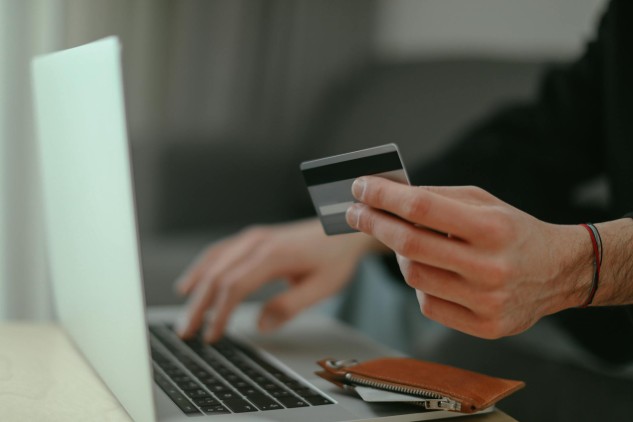
Protect your devices and connection
To shop safely online, it is essential to use a secure connection and ensure that your device (smartphone, tablet, computer, etc.) is properly configured and protected to prevent your data from being compromised.
Installing antivirus software is essential to detect potential threats, as well as keeping your operating system and applications up to date. It is also advisable to regularly review installed programs and remove those you do not use, as the more applications you have installed, the harder it is to keep your device secure.
Another key recommendation for safe online shopping is to avoid using public WiFi networks or shared devices for making purchases.
Be wary of deals that seem too good to be true
If something seems too good to be true, it probably is.
Online scams often include:
- Unrealistic discounts.
- Limited-time offers with urgent countdowns.
- Exclusive products at suspiciously low prices.
Before buying:
- Compare prices across different stores.
- Review images and product descriptions carefully.
- Make sure the products are not counterfeit or low quality.
Also pay close attention to promotions received via email or social media. Always verify the sender’s identity and avoid clicking on suspicious links.
Phishing and smishing: beware of fake messages
One of the most common ecommerce scams is phishing (fraudulent emails) and smishing (fraudulent SMS messages), often impersonating courier companies or online stores.
These messages usually include:
- Notifications about pending deliveries.
- Payment issues.
- Urgent requests to update personal data.
Never enter personal information through links received by message. Always access the official website directly.
(If you would like to learn more about this topic, you can read our dedicated article on phishing and identity theft .)
Check reviews and ratings from other buyers
Nowadays, few people choose a restaurant or hotel without first reading reviews from other users — and even looking at photos of the place. The same applies to any online purchase. Check comments on the website itself and search online for reviews or feedback about the brand. You can also review social media profiles.
This allows you to understand other customers’ experiences and evaluate whether the store provides sufficient guarantees. Sometimes this method is more useful than the product description itself, which rarely highlights negative aspects.
Review the shipping and returns policy
A secure online store should clearly provide information about:
- Delivery times.
- Shipping costs.
- Return conditions.
- Right of withdrawal.
- Refund process.
Transparency in logistics and returns management is a key indicator of professionalism.
Extra tip: manage your passwords properly
The final tip for safe online shopping is something many people overlook but is essential to avoid vulnerabilities: managing your passwords correctly.
When was the last time you changed your email password? Regularly updating your credentials is fundamental to protecting your digital data. Including secure combinations of letters, numbers, and symbols makes it more difficult for cybercriminals to access your personal information.
It is also important to disable the “remember password” option, especially on shared or public devices. Avoid saving your payment details for future purchases.
Two-factor authentication is an excellent way to protect your online shopping accounts. If you use a smartphone, biometric recognition adds extra security, and mobile authentication allows you to validate a purchase when you are the one making it.
Shopping online safely is in your hands. Carelessness can be costly, so taking these precautions is essential to enjoy all the advantages of ecommerce with peace of mind.
Trust recognized logistics operators
Ecommerce security does not end at payment — it also involves the delivery process.
Choosing stores that work with recognized logistics operators provides:
- Real-time shipment tracking.
- Clear communication about the parcel status.
- Secure delivery options.
- Professional returns management.
- Official channels to prevent impersonation.
A reliable logistics operator reduces incidents, improves the customer experience, and provides peace of mind throughout the entire purchasing process.
Shopping online is safe if you know how to do it properly. Information, prevention, and choosing trustworthy retailers and operators are your best tools against digital fraud.
By following these recommendations, you can enjoy all the benefits of ecommerce with greater confidence while protecting both your data and your money.