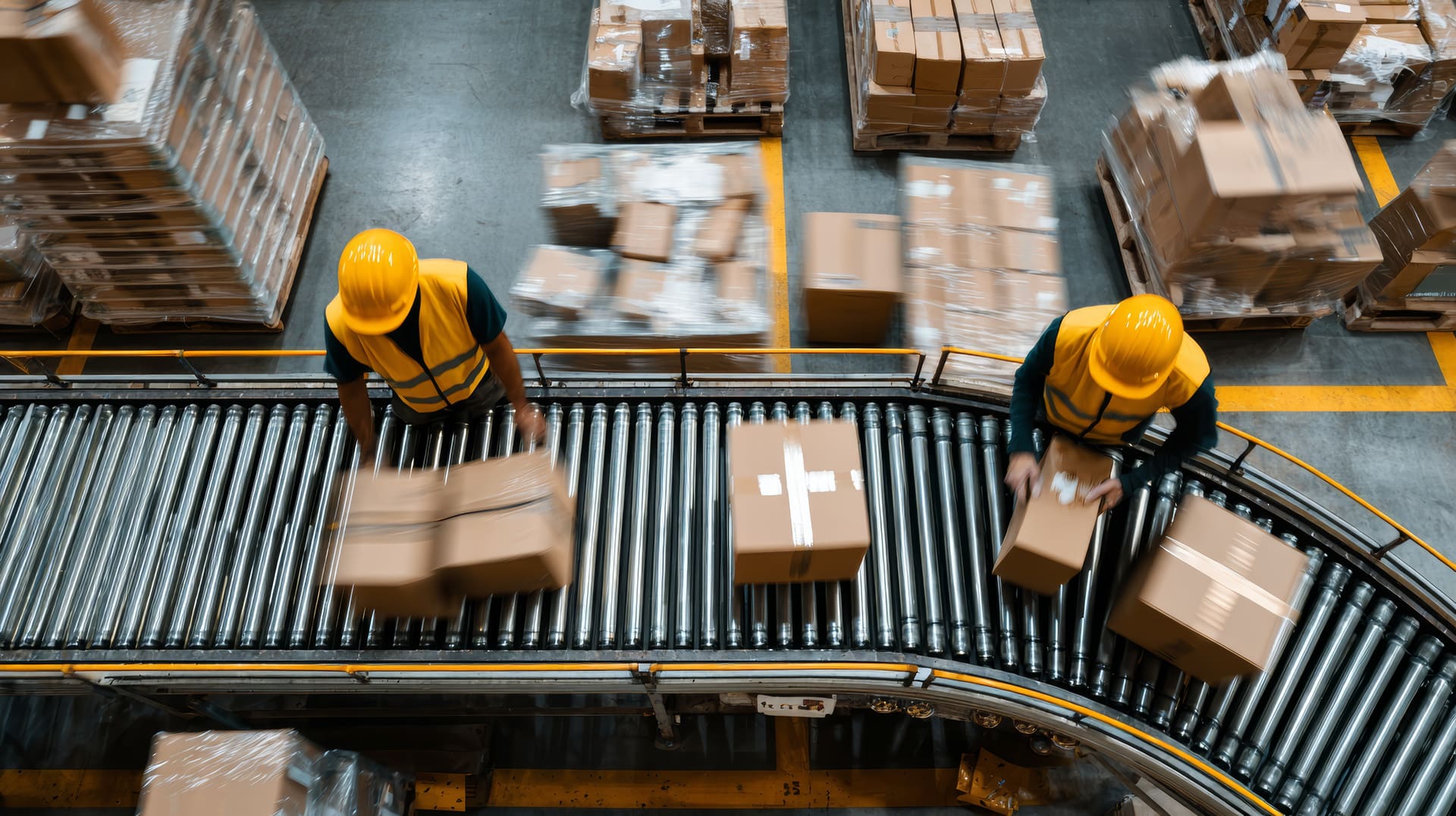
Have you ever wondered why a parcel can take longer than expected to arrive, even when the entire previous process worked perfectly? The answer is almost always found in the last mile, the final stage of delivery that connects directly with the customer. Although it is the shortest phase in terms of distance, it represents one of the greatest challenges in logistics and can determine the end user's satisfaction.
As e-commerce continues to grow, optimizing last-mile logistics has become a crucial factor in providing an efficient and reliable service, even when deliveries are made in complex environments such as congested urban areas or remote rural locations.
What Is Last-Mile Logistics?
The last mile refers to the final stage of delivering a parcel from a distribution center or logistics hub to the recipient. This segment often represents a significant proportion of the total supply chain cost, as it requires precise coordination, human resources, and optimized route planning.
Difference Between Last-Mile Logistics and Traditional Transportation
While traditional transportation focuses on moving goods in large volumes between warehouses and distribution centers, last-mile logistics faces very different challenges.
- Individual deliveries: Point-to-point transportation directly to the end customer.
- Specific schedules and communication: Real-time notifications and flexibility for the recipient.
- Adaptability to unexpected situations: Managing urban traffic, recipient absences, or address changes.
Therefore, although both processes are part of the same supply chain, the last mile requires its own tools and strategies to ensure efficiency and customer satisfaction.
The Importance of Last-Mile Logistics in the Customer Experience
The impact of the last mile goes beyond the physical delivery itself. Poor execution can lead to delays, returns, and frustration, whereas an efficient process significantly improves customers' perception of the service. For this reason, parcel delivery companies that invest in last-mile logistics aim to ensure that every parcel arrives correctly and on time, building trust among users.
How the Last Mile Influences E-commerce
In e-commerce, consumers expect speed and transparency. Knowing that a parcel will be delivered as promised reduces uncertainty and enhances the shopping experience. As a result, efficiency in last-mile logistics can become a competitive advantage, driving customer loyalty and strengthening brand reputation.
Challenges of Last-Mile Logistics
One of the biggest challenges is urban density and geographical dispersion. Route planning must take into account traffic conditions, accessibility, and recipient availability. In addition, every failed delivery attempt generates additional costs and potential returns.
At the same time, the growing demand for fast and fragmented deliveries means that companies must implement smart tracking and communication solutions to ensure that deliveries are completed effectively.
Examples of Last-Mile Logistics in Practice
Innovation in this phase has led to a variety of practical solutions that improve efficiency and customer satisfaction.
Deliveries to Parcel Lockers and Convenience Points
Parcel lockers and convenience collection points allow recipients to pick up their parcels whenever it suits them best, without needing to be at home during a delivery time slot. This model simplifies route planning for the courier company and reduces the number of failed delivery attempts.
Flexible Delivery Times and Scheduled Collection
Another example is the ability to schedule deliveries for specific time slots or reschedule them through mobile applications. This flexible parcel delivery approach ensures that logistics adapt to the recipient's needs, increasing first-attempt delivery success rates and avoiding unnecessary delays.
How to Choose the Best Last-Mile Provider
When selecting a last-mile delivery provider, it is important to evaluate coverage, technology, tracking tools, and adaptability. Providers should offer proactive communication, flexible collection options, and transparency throughout every stage of the delivery process.
GLS and Innovation in Last-Mile Logistics
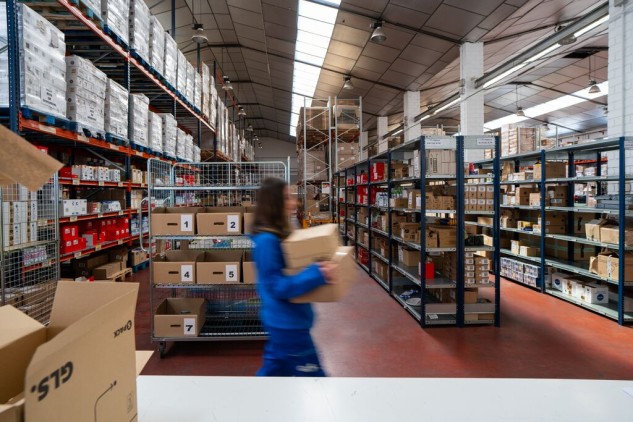
GLS Spain stands out as a benchmark in last-mile logistics. Its infrastructure combines proprietary distribution centers with partner agencies, enabling route optimization and efficient deliveries. With tools such as the My GLS app, real-time notifications, and rescheduling options, recipients can easily manage their shipments while the company maintains full control over every parcel.
Thanks to this technological and operational integration, GLS Spain provides an excellent example of how last-mile logistics can be efficient, reliable, and adaptable to the current needs of e-commerce as well as urban and rural distribution.